Web Development
Before we write a line of code, we figure out what your business needs to sell or solve — so your site brings in real inquiries, not just visits.
Reply within 24 hours. A proposal built around your project, no obligation.
From planning to launch, you're talking to me — not an account manager, not a go-between, and not repeating the same information twice. That means better decisions and clearer progress at every stage.
Your business doesn't have a website yet, and you need a digital presence from scratch.
You have a site, but it was built years ago and no longer reflects what you offer.
Your current site runs on a generic template you can't fully customize.
You need specific functionality (booking, quoting tools, dashboards, integrations) that a basic site can't handle.
You want a site that can scale as your business grows, not something you'll have to rebuild in two years.
Before we get into it
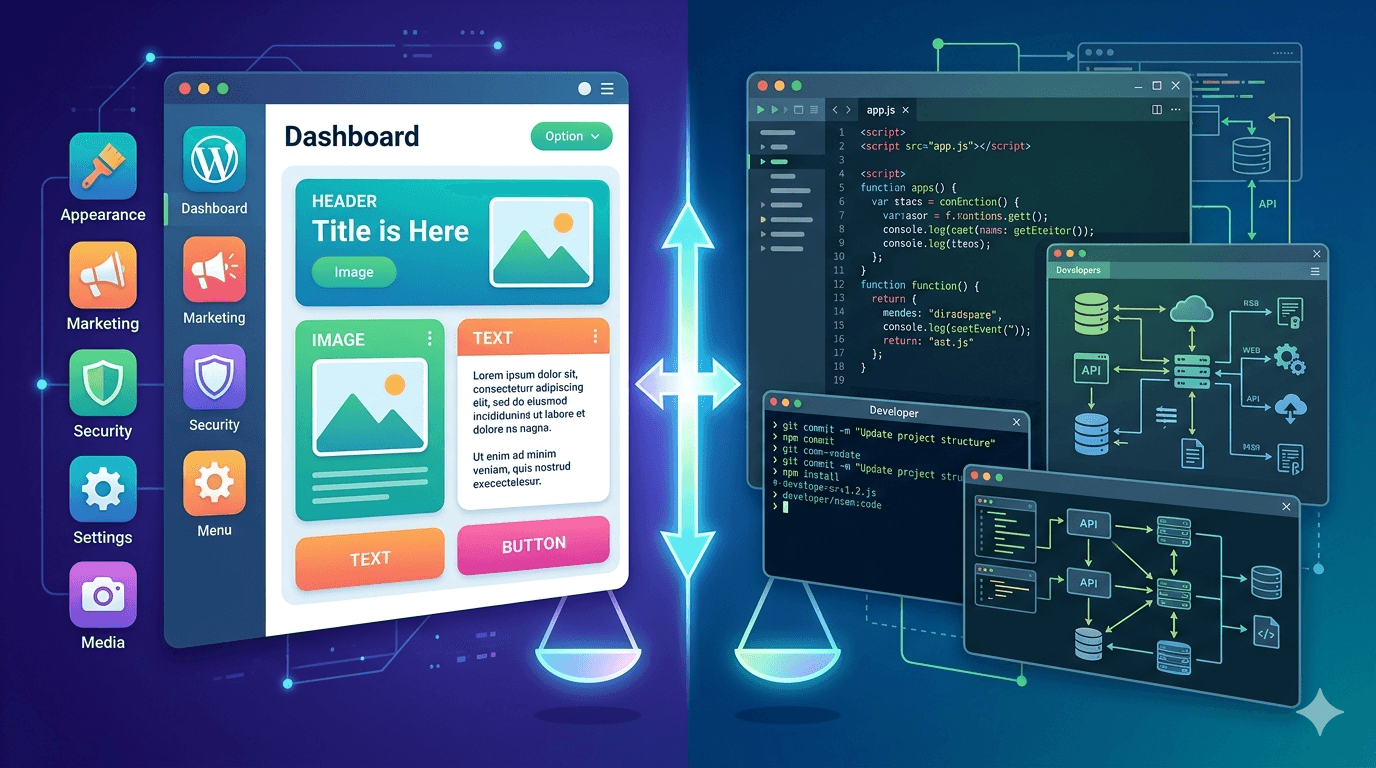
"Web development" gets used for very different things: a visual builder, a WordPress theme, or a platform coded from scratch. Here, we mean the last one — a site built around your business, not assembled from generic parts.
It's not graphic design or visual identity — that's branding. Web development is the technical build: code, structure, functionality.
It's not the same as using a builder like Wix or Squarespace. There, you're assembling pre-made blocks; with custom development, the site is built for your specific case.
It's not necessarily WordPress. It could be WordPress, it could be Next.js or React, it could be fully custom, depending on what the project needs.
It is the technical foundation for everything else: without a solid build, even the best-looking design won't load fast, won't be secure, and won't be easy to maintain.
You probably need it if...
You don't have a website yet and need one.
Your current site is a template you can no longer adapt to what you need.
You need custom functionality: quoting tools, booking, catalogs, admin dashboards.
Your business is about to outgrow what your current site can handle.
You probably don't need it if...
Your site works fine, but looks outdated — that's a redesign, not a new build.
Users can't find what they're looking for — that's usually a UX problem, not a reason to rebuild everything.
You just need someone to keep your site updated and running — that's maintenance.
Your brand doesn't look professional, but the site itself works fine — that's a branding problem, not a code problem.
There's no fixed package: scope is defined around your project. Here's what a well-built web development project typically includes:
Architecture
Structure, flows, and content mapped out before any code gets written.
Responsive design
Works and looks right on any device, not as an afterthought.
Code you own
The code is yours: your own repository, no closed builders or third-party licenses.
Technical SEO
Speed, semantic structure, and indexing built in from development.
Performance
Fast load times: optimized images, lean code, and an architecture built for speed from day one.
Accessibility
Navigable and readable for as many users as possible.
Admin panel
Update content without depending on me for every change.
Integrations
Payments, forms, booking, or other tools you already use.
Beyond the site itself, here's what stays with you:
Clean, maintainable code: Easy for any developer to understand and extend later.
A fast, optimized site: Quick load times built into the architecture, not bolted on after.
Technical SEO from day one: Structure and speed built to index well from the start.
Responsive design: Works just as well on phone, tablet, and desktop.
A foundation ready to grow: Add features later without rebuilding the site.
Direct communication throughout: You talk to me, not a go-between.
How I decide
I don't pick the technology before understanding the project — I pick it after. My rule is simple: if 80% of what you need already exists in a mature plugin, I use WordPress; if the remaining 20% is exactly what makes or breaks the project, that's where custom code earns its cost.
| Criteria | WordPress | Next.js / React | Custom Development |
|---|---|---|---|
| When to choose it | Content sites with frequent updates | Fast sites with high traffic or performance needs | Platforms with specific business logic |
| Type of project | Blogs, corporate sites, simple catalogs | Web apps, high-traffic platforms | Internal systems, complex integrations |
| Ease of management | Very accessible, no technical skills needed | Needs a custom panel (possible, but extra work) | Depends on what's built |
| Customization | Limited by the theme and installed plugins | High: design and behavior controlled in code | Full: no platform constraints |
| Performance | Good, if configured and optimized well | Excellent by design | Depends on the architecture chosen |
| Technical SEO | Good, with well-configured plugins | Excellent control from the code | Full: built to spec |
| Integrations | Wide range via plugins, quality varies | Custom-built, with strong control | Full: exactly the tools you need |
| Development time | Usually the fastest to launch | Medium: depends on scope and integrations | Longest: everything is built from scratch |
| Upfront cost | Generally lower | Medium to high, depending on scope | High: more development investment |
| Maintenance cost | Plugins and periodic updates | Smaller maintenance surface | Varies with complexity |
| Scalability | Limited by the plugin ecosystem | High, built to grow | Full: designed around your future needs |
| When it's NOT the right fit | When you need very specific logic or high performance | When budget or timeline are very tight | When the project is simple and doesn't justify it |

When to choose it
Content sites with frequent updates
Type of project
Blogs, corporate sites, simple catalogs
Ease of management
Very accessible, no technical skills needed
Customization
Limited by the theme and installed plugins
Performance
Good, if configured and optimized well
Technical SEO
Good, with well-configured plugins
Integrations
Wide range via plugins, quality varies
Development time
Usually the fastest to launch
Upfront cost
Generally lower
Maintenance cost
Plugins and periodic updates
Scalability
Limited by the plugin ecosystem
When it's NOT the right fit
When you need very specific logic or high performance
When to choose it
Fast sites with high traffic or performance needs
Type of project
Web apps, high-traffic platforms
Ease of management
Needs a custom panel (possible, but extra work)
Customization
High: design and behavior controlled in code
Performance
Excellent by design
Technical SEO
Excellent control from the code
Integrations
Custom-built, with strong control
Development time
Medium: depends on scope and integrations
Upfront cost
Medium to high, depending on scope
Maintenance cost
Smaller maintenance surface
Scalability
High, built to grow
When it's NOT the right fit
When budget or timeline are very tight
When to choose it
Platforms with specific business logic
Type of project
Internal systems, complex integrations
Ease of management
Depends on what's built
Customization
Full: no platform constraints
Performance
Depends on the architecture chosen
Technical SEO
Full: built to spec
Integrations
Full: exactly the tools you need
Development time
Longest: everything is built from scratch
Upfront cost
High: more development investment
Maintenance cost
Varies with complexity
Scalability
Full: designed around your future needs
When it's NOT the right fit
When the project is simple and doesn't justify it
This table is a guide, not a formula. The final call depends on your specific project.
Diagnosis before code
Every stage is a decision, not a formality: what to solve, what to build, and with what technology. That's how I avoid the most common problems in a web development project — poorly defined scope, last-minute changes, untested launches.
I get to know your business, your real problem, and your goals before proposing anything — without a diagnosis, any proposal is just a guess.
We define together what the site solves and what it doesn't — the right scope keeps the project from growing out of control halfway through.
I choose between WordPress, Next.js, or custom development based on what your project needs, not what I'd rather build.
I build the site with clean, documented code, so another developer could pick it up if you ever needed one to.
I check performance, load speed, and behavior across devices before you or your customers ever see it.
The site goes live, verified — and I keep checking in during the first days to confirm everything holds up under real conditions.

Miguel Prot
Founder & Developer — Hamaca Web Solutions
I build every project myself, without outsourcing to a team you've never met. 10+ years building websites and platforms across different technologies, working between Mexico and the U.S. I've seen firsthand what happens when a site ships without a plan for who maintains it afterward — which is why every project includes a clear way to manage it, not just launch it.
Learn more about my backgroundI'm not going to hand you a fixed pricing table — they don't exist, and anyone who gives you a number without knowing your project is guessing. What I can tell you is what actually moves the price up or down.
Functional complexity
An informational site costs differently than a platform with user accounts, payments, or custom logic.
Content volume
Ten pages isn't the same as a hundred, and a five-product catalog isn't the same as five hundred.
Integrations
Connecting payments, CRMs, booking, or other tools adds development and testing work.
Technology choice
Custom development generally means more hours than a well-planned WordPress project.
Custom design vs. an existing system
Designing every screen from scratch takes longer than adapting an existing design system.
Turnaround time
A tight deadline can require more resources dedicated to the project.
These are the mistakes I see repeated project after project, and the ones that get expensive later.
The cheapest quote almost always means fewer planning hours, less testing, or recycled code from another project that doesn't fit yours.
Without access to your hosting, domain, and repository, you don't own your site: you depend on whoever built it for every change.
Adding it after launch costs more and delivers less than building it into the site's architecture.
Design matters, but if the structure doesn't guide users toward a concrete action, the site isn't doing its job.
A website needs maintenance. If nobody brings it up before you sign, it's a conversation you'll end up having anyway — better to have it upfront.
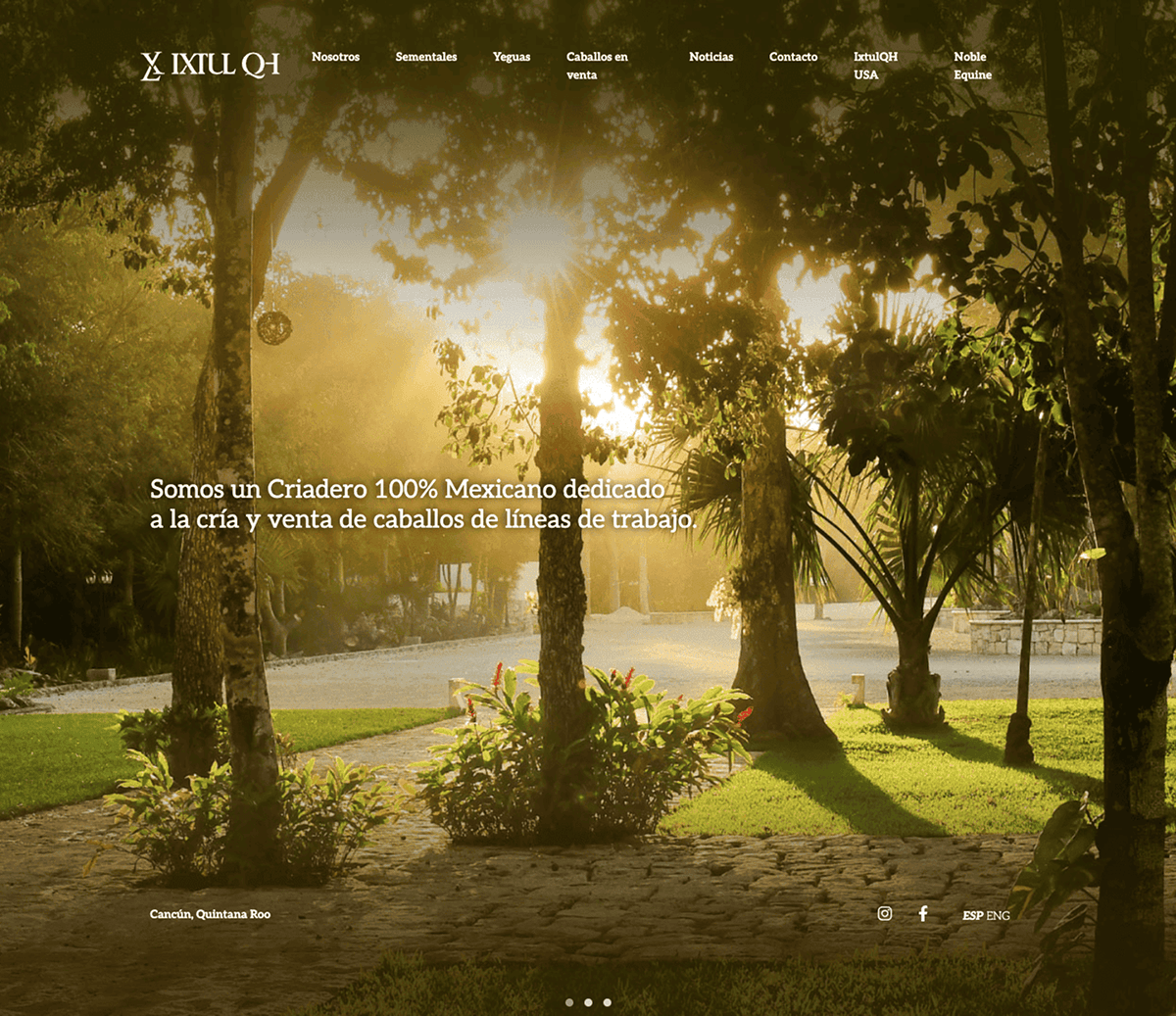
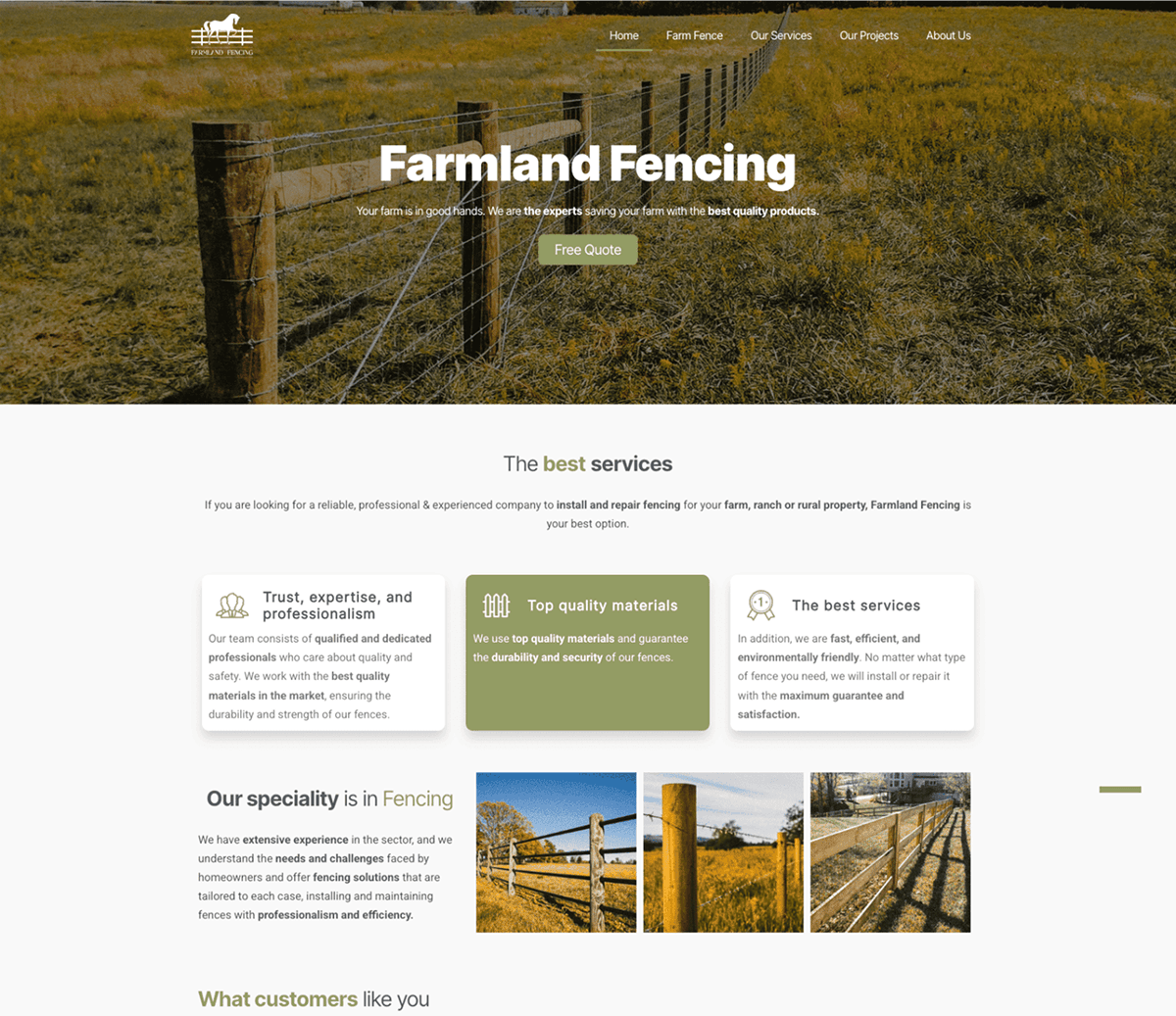
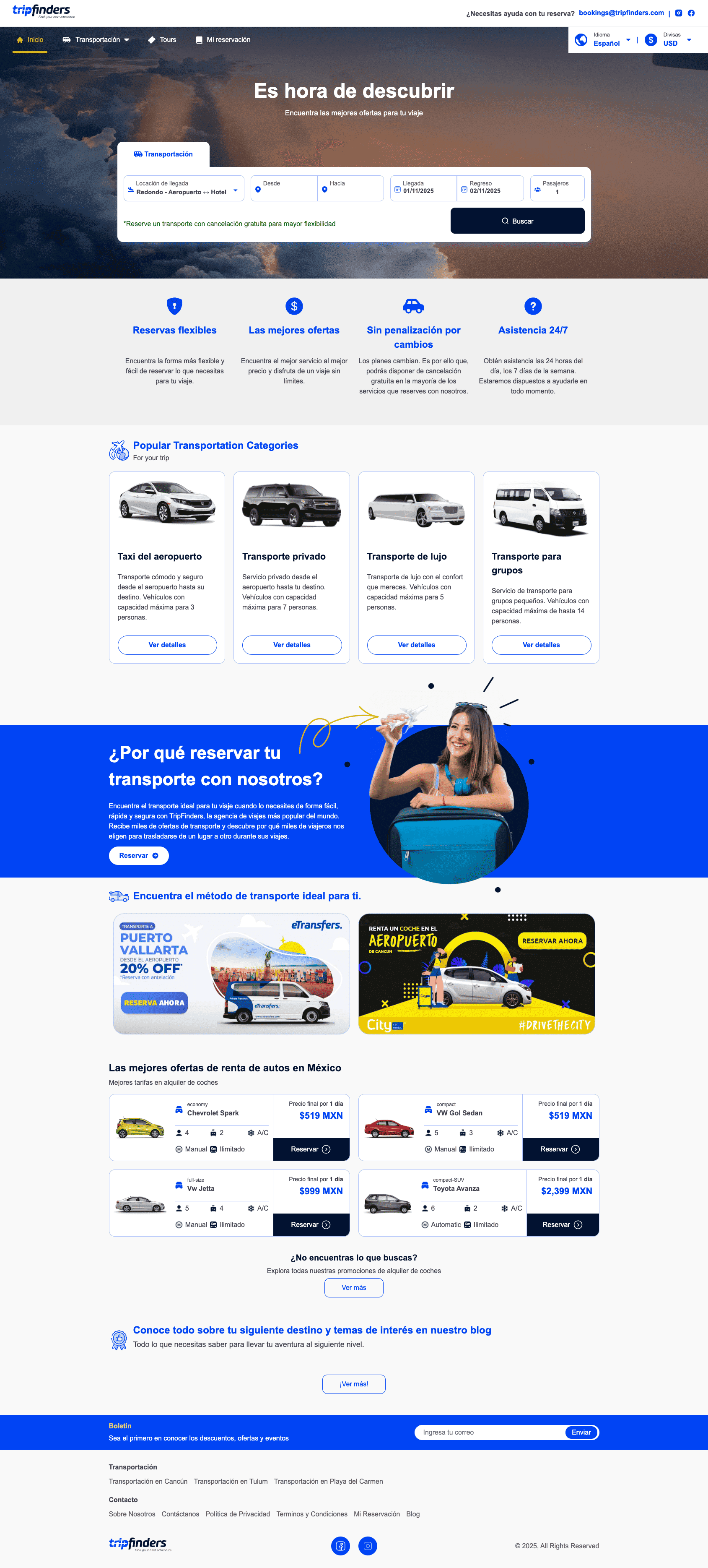
A few examples of projects built to solve specific problems for different businesses.
I check the site in production, not just in staging, to confirm everything works the same way. I handle any minor adjustments that come up in the first days of real use. If you need changes or ongoing maintenance later, we can talk about it: it's not required, but it's available.
See Website MaintenanceYes. I review what you have today — code, hosting, domain — to figure out what's worth keeping and what's better rebuilt. You don't need to end things with your current provider to start that conversation.
When your project is simple, your budget or timeline is very tight, or a well-configured WordPress site already covers what you need. Custom development makes sense when your business logic or performance needs don't fit an existing platform.
Functional complexity, content volume, integrations, and the technology chosen. More detail in the pricing section of this same page.
It depends on scope: a corporate site can take 4 to 6 weeks, while a platform with custom features can take several months. I'll give you a real estimate once I understand your project, not before.
It includes technical SEO from development: speed, structure, and indexing best practices. A broader content SEO strategy is a separate service.
It isn't included automatically. It can be recommended or quoted based on what your project needs.
I check that everything works in production and handle adjustments from the first days of real use. Ongoing maintenance after that is optional, not required.
No. The site is yours once it's done, with full access to the code, hosting, and domain. Ongoing maintenance is a separate service, available if you need it, never a condition of the project.
Yes, as long as the initial architecture allows for it — worth discussing during planning. A well-built site is ready to grow without being rebuilt from scratch.
That the initial architecture accounts for growth — more pages, more traffic, more features, or more users — without rebuilding from scratch. That's decided at the architecture stage, not improvised later.
You don't have to know — that's what the first conversation is for. I ask about your business, your content, and the features you need, then recommend WordPress, Next.js, or custom development, whichever actually fits.
Yes, when it's the right technology for the project — for example, content sites with frequent updates.
Yes, it's one of my main technologies for projects that need performance or more complex logic.
Yes. Every project includes a way to update content without depending on me for every change, suited to whatever platform we use.
The site is built with that in mind. If the initial architecture accounts for growth, you can add features or scale without rebuilding from scratch.
Just tell me about your business, your goal for the site, and a rough idea of the content you need — that's enough to start scoping the project.
With a no-obligation first conversation about your business and what you need. From there, I put together scope, technology, and timeline.
Yes. You get access to the code, hosting, and domain. You don't depend on me to run your own site.
No. I work remotely with clients in Mexico, the U.S., and other countries.
Tell me about your business, your goal for the site, and a rough idea of the content you need. From there I can put together real scope, technology, and timeline — not a generic template.
Reply within 24 hours. A proposal built around your project, no obligation.